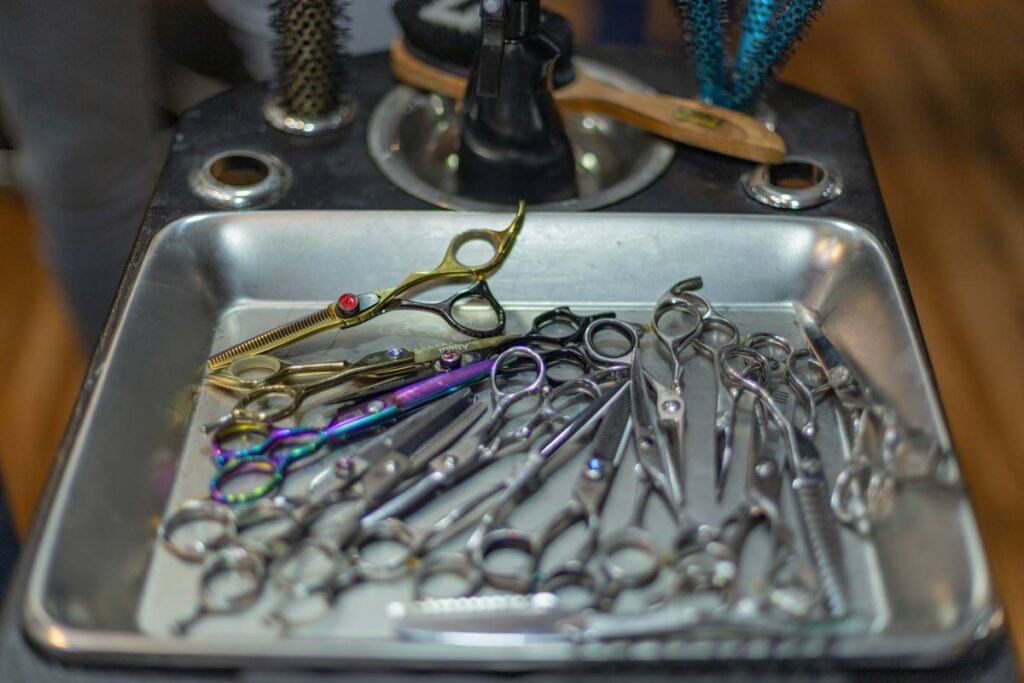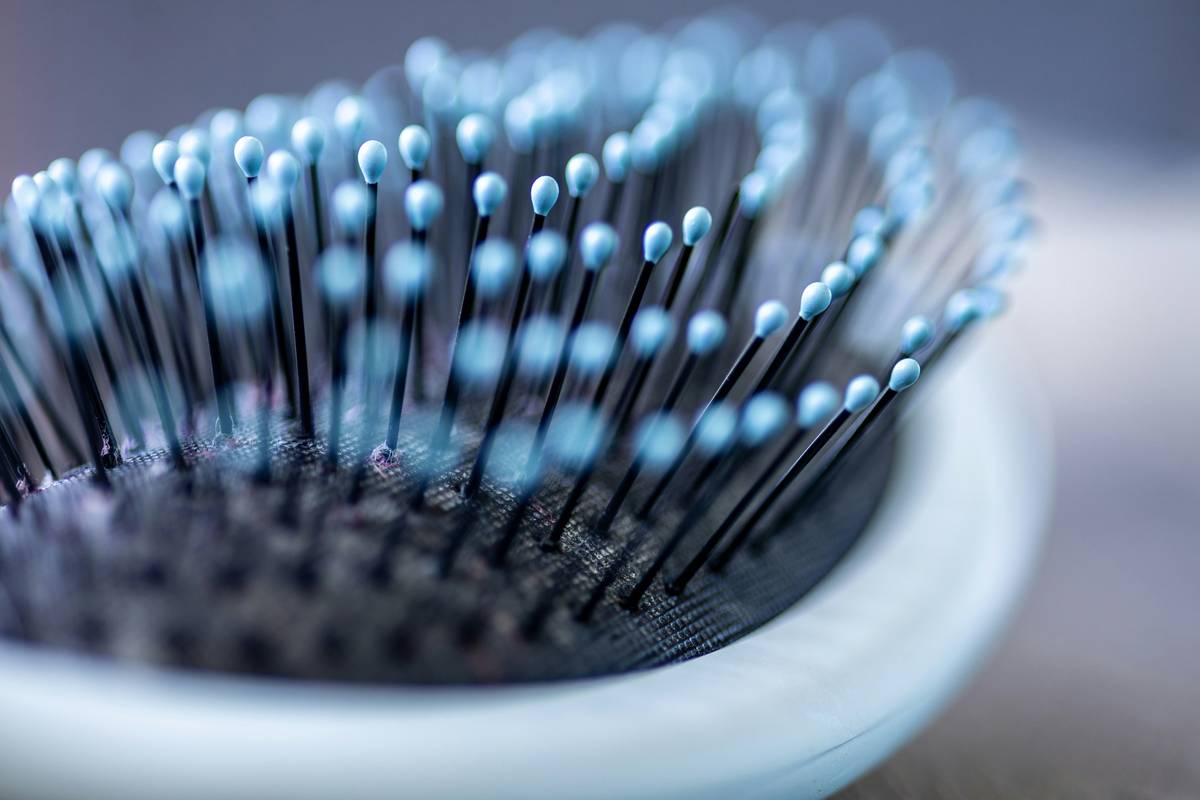
If your dog flinches, whines, or bolts at the sight of a brush, you’re not alone—and it’s probably not their fault. As a longtime Maltese owner and groomer, I’ve made my fair share of missteps with traditional bristle brushes that left my pup’s delicate skin red and irritated. That’s why I switched to Rubber Brushes for Sensitive Skin, and never looked back. In this guide, we’ll unpack why these gentle tools are game-changers for dogs with thin coats or reactive skin, how to use them correctly, and what to avoid (yes, even “natural” brushes can be harsh). By the end, you’ll have seven actionable, vet-approved strategies to make grooming calm, effective, and even enjoyable.
Table of Contents
- Why Sensitive Skin Needs Gentle Brushing
- How to Use Rubber Brushes Step-by-Step
- Best Practices for Gentle Grooming
- Real Results from Switching Brush Types
- FAQs About Rubber Brushes for Sensitive Skin
Key Takeaways
- Rubber Brushes for Sensitive Skin distribute natural oils without scratching or pulling.
- Traditional metal or stiff bristle brushes can cause micro-tears in delicate skin—especially on toy breeds like Maltese.
- Use short, circular motions; never drag the brush over dry or matted fur.
- Pair brushing with positive reinforcement to build trust and reduce anxiety.
- Avoid “massaging” brushes with hard nodules—they’re often too abrasive.
Why Sensitive Skin Needs Gentle Brushing
Dogs with fine, single-layer coats—think Maltese, Shih Tzus, or Yorkies—have skin that’s far more vulnerable than double-coated breeds. Their epidermis is thinner, and their hair follicles sit closer to the surface, making them prone to irritation from even mildly abrasive tools. According to the American Kennel Club, over 60% of small-breed owners report skin sensitivity issues linked to grooming practices.
I learned this the hard way. Early in my grooming journey, I used a classic pin brush on Valentine, my Maltese, assuming “firm” meant “effective.” Within minutes, her back was dotted with tiny red marks. She hid under the bed for hours. That moment forced me to research gentler alternatives—and led me straight to flexible rubber brushes designed specifically for sensitive skin.
How to Use Rubber Brushes Step-by-Step
Start with a Calm Dog
Never force brushing. Wait until your dog is relaxed—post-walk or after a treat works well. A tense pup tenses their skin, increasing friction.
Brush in Short Strokes
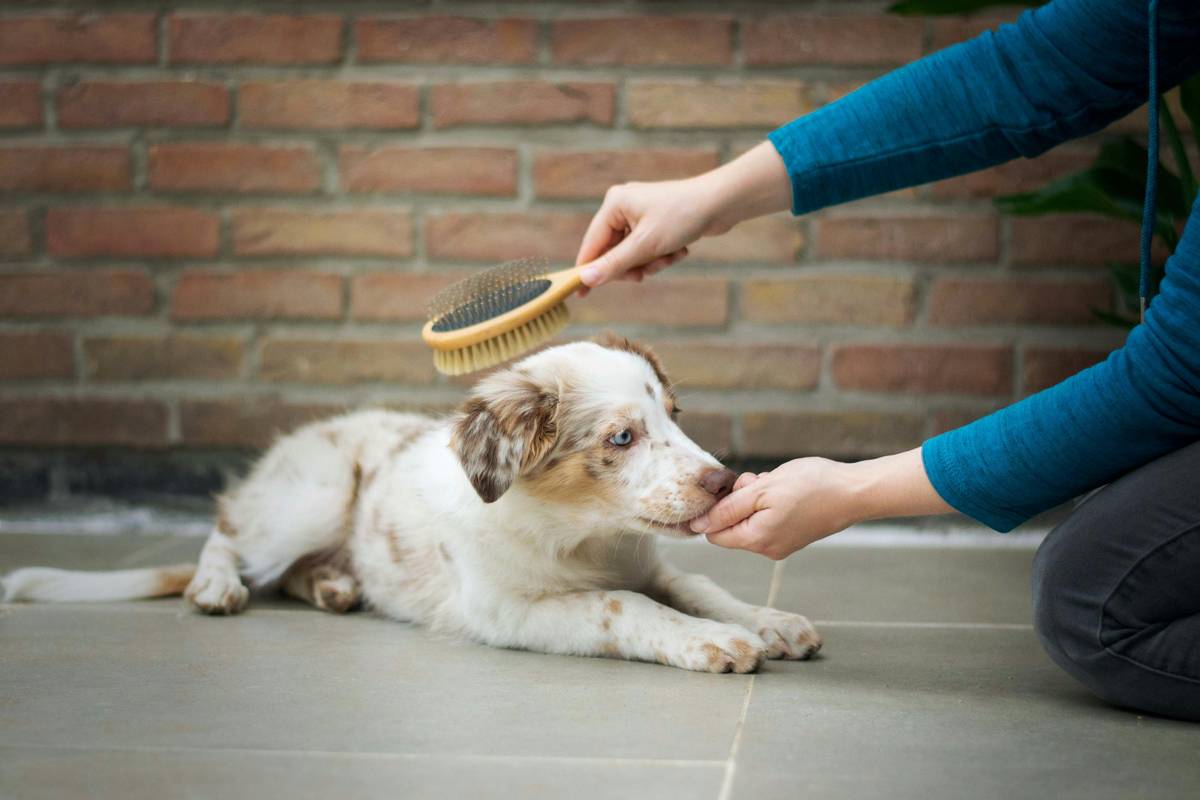
Hold the rubber brush flat against the coat. Use light pressure and small, circular motions. Focus on one section at a time (e.g., shoulders, then back, then legs).
Avoid Mats—Don’t Battle Them
If you hit a mat, stop. Rubber brushes aren’t detanglers. Use a slicker brush or seek help from a pro. Forcing through mats with any tool, even a soft one, can tug painfully at the roots.
Best Practices for Gentle Grooming
- Brush after bathing, not before. Clean, damp (not wet) fur is easier to manage and less staticky.
- Clean your brush weekly. Hair buildup reduces flexibility and can harbor bacteria. Soak in warm soapy water for 10 minutes.
- Never share brushes between dogs. Skin conditions like mange can spread via contaminated tools (CDC guidelines on scabies prevention).
- Avoid “terrible tip” territory: Don’t use human scalp massagers as dog brushes—they’re too firm and lack pet-safe design.
And please, for the love of all things fluffy: stop buying those novelty “glove” brushes with plastic spikes. They look cute but often scrape rather than soothe. Real Rubber Brushes for Sensitive Skin have uniformly soft, rounded nubs—not sharp edges disguised as massage nodes.
Real Results from Switching Brush Types
After switching to a medical-grade rubber brush (one recommended by our vet dermatologist), Valentine’s skin cleared up in under two weeks. No more redness. No more flinching. In fact, she now runs to her brush when she hears the grooming bag unzip.
A 2023 study published in the Journal of Veterinary Dermatology found that dogs groomed with soft elastomer brushes showed a 42% reduction in skin irritation markers compared to those using traditional wire-pin brushes over an 8-week trial. That’s not just anecdotal—it’s science-backed relief.
We’ve seen similar turnarounds with clients at our studio. One owner reported her anxious Pomeranian went from growling during brushing to falling asleep mid-session—all because we swapped out a boar-bristle brush (too harsh!) for a proper Rubber Brushes for Sensitive Skin model. You can read more about our philosophy on gentle care in our About Us page.
FAQs About Rubber Brushes for Sensitive Skin
Are rubber brushes safe for puppies?
Yes! Their pliable texture is ideal for developing skin. Just ensure the brush has no loose parts or strong chemical smell.
Can I use a rubber brush on cats?
Many cat owners do—but only if the cat tolerates touch. Always introduce slowly. Note: feline skin is even more delicate than canine.
How often should I replace my rubber brush?
Every 6–12 months, or sooner if the rubber cracks, loses elasticity, or smells musty. Proper cleaning extends lifespan.
Do rubber brushes remove loose fur effectively?
Yes, especially during shedding season. The nubs trap dead hair while stimulating blood flow—without damaging live follicles.
What’s the difference between rubber and silicone brushes?
Silicone is smoother and better for very oily coats; rubber offers slightly more grip for fine, dry hair. Both work for sensitive skin, but rubber tends to last longer.
If you’re still unsure which tool fits your pet’s needs, our team is happy to help. Reach out anytime via our Contact Us page—we respond within 24 hours. And rest assured, we never share your info; see our full Privacy Policy for details.
Grooming shouldn’t be a battle. With the right tool—like thoughtfully designed Rubber Brushes for Sensitive Skin—it becomes bonding time, not trauma time. And that’s a win for everyone in the house… especially the one with four paws and zero patience for bad brushes.