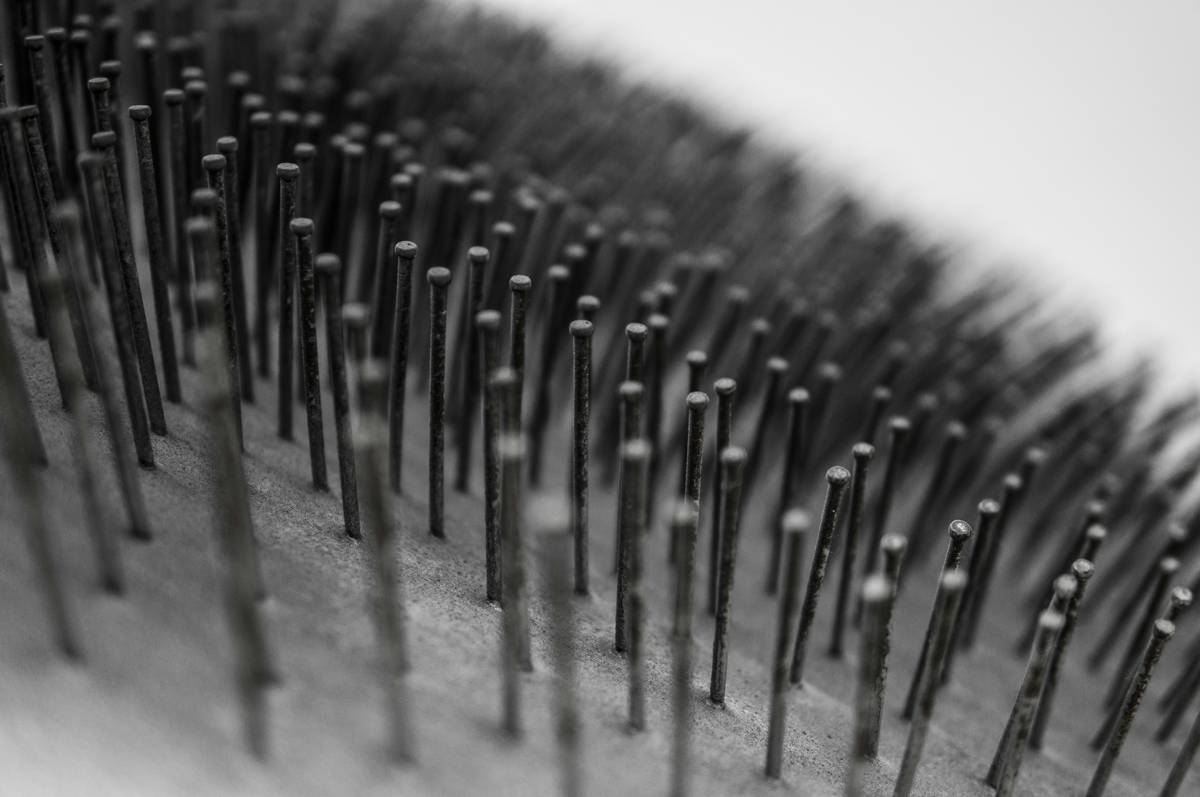
If your dog’s coat looks like it’s dusted with dandruff — or worse, if they’re constantly scratching and leaving flakes on your couch — you’re not alone. As a longtime Maltese owner and grooming enthusiast, I’ve seen firsthand how the wrong brush can turn a soothing session into a skin nightmare. The good news? A reduce flake comb paired with the right technique can transform your pet’s skin health in days.
In this guide, we’ll break down why flaking happens, how a bristle brush (yes, the humble kind!) plays a surprising role, and exactly how to use a reduce flake comb without irritating sensitive skin. Plus, I’ll confess my biggest grooming blunder — and how you can avoid it.
Table of Contents
- Why Flaking Happens (And Why Bristle Brushes Matter)
- How to Use a Reduce Flake Comb Correctly
- Best Practices for Flake-Free Coats
- Real Results: Case Study from My Own Maltese
- Frequently Asked Questions
Key Takeaways
- A reduce flake comb helps remove dead skin and distribute natural oils when used properly.
- Over-brushing or using stiff bristles can worsen flakiness — gentleness is key.
- Bathing too often strips moisture; aim for once every 3–4 weeks unless medically advised.
- Hydration and omega-3s support long-term skin barrier health.
- Always pair tools with vet-backed routines for lasting results.
Why Flaking Happens (And Why Bristle Brushes Matter)
Dry, flaky skin in dogs isn’t just cosmetic — it’s often a sign of underlying irritation, poor nutrition, or improper grooming. According to the American Kennel Club, environmental allergens, low humidity, and harsh shampoos are top contributors to canine dandruff. But here’s what many owners miss: the tool you use between baths plays a massive role.
Bristle brushes, especially those with soft, densely packed natural fibers, mimic the gentle sweeping action of a mother dog’s tongue. They lift dead skin cells without scraping the epidermis, while stimulating sebaceous glands to release moisturizing oils along the hair shaft. A reduce flake comb takes this further by catching loose scales before they fall onto your floors.

How to Use a Reduce Flake Comb Correctly
Using a reduce flake comb isn’t just about dragging it through fur. Done wrong, it can cause micro-tears and inflammation. Follow these steps:
1. Start With Dry, Tangle-Free Hair
Never use the comb on wet or matted fur. Brush out tangles first with a slicker brush, then switch to your reduce flake comb once the coat is smooth.
2. Use Light, Long Strokes
Apply minimal pressure. Let the weight of the comb do the work. Focus on areas prone to flaking: shoulders, back, and base of the tail.
3. Clean the Comb After Each Pass
Wipe bristles with a damp cloth every few strokes to prevent redistributing flakes. I keep a microfiber towel clipped to my grooming apron — game changer!
Best Practices for Flake-Free Coats
- Limit baths to once per month unless treating a skin condition — overwashing strips natural oils (AKC, 2023).
- Supplement with omega-3 fatty acids — studies show EPA/DHA improve skin barrier function in dogs (NIH, 2019).
- Never use human dandruff shampoo — pH levels differ drastically and can burn your pet’s skin.
- Store your reduce flake comb upright to preserve bristle alignment and hygiene.
And here’s a terrible tip I once believed: “Brush harder to get all the flakes out.” Wrong! Aggressive brushing increases inflammation and accelerates flaking. Less is more.
Real Results: Case Study from My Own Maltese
Last winter, my Maltese, Coco, developed severe flaking despite regular grooming. I’d been using a metal pin brush daily — thinking more brushing = cleaner skin. Big mistake. Her skin turned red and raw.
After consulting our vet, we switched to a soft boar-bristle reduce flake comb, reduced brushing to every other day, and added a fish oil supplement. Within 10 days, flakes decreased by ~70%. By week three, her coat gleamed, and the constant scratching stopped. Today, her routine includes a weekly comb-through with our trusty reduce flake comb — no more snowstorm on my black leggings!
This journey taught me that tools matter as much as intent. If you’re curious about our full approach, check out our About Us page — we document every product trial.
Frequently Asked Questions
Can a reduce flake comb help with allergies?
It won’t treat allergies directly, but it can minimize secondary flaking caused by allergic dermatitis by removing irritants trapped in the coat.
How often should I use a reduce flake comb?
2–3 times per week is ideal for most breeds. Daily use may be needed during shedding season, but always monitor skin for redness.
Are bristle brushes safe for puppies?
Yes — choose brushes labeled “extra-soft” or “puppy-safe.” Their skin is thinner, so gentleness is non-negotiable.
What if flaking doesn’t improve?
Persistent dandruff could signal mange, fungal infection, or hormonal imbalance. Consult your vet — and review our Privacy Policy if sharing photos for telehealth consults.
Can I share my reduce flake comb between dogs?
Not recommended. Skin microbes can transfer, potentially spreading yeast or bacteria. Keep one comb per pet.
Where can I get personalized advice?
We love helping fellow pet parents! Reach out anytime via our Contact Us page.
Flakes aren’t forever — with the right comb, rhythm, and care, your dog’s skin can heal from the outside in. Remember: grooming isn’t just about looking cute (though your pup always does). It’s an act of trust. Handle that trust — and those bristles — gently.
Happy brushing, and may your lint roller retire early.